Weathering a Super El Niño: How Andean Restoration Builds Climate Resilience
By Bella Astin
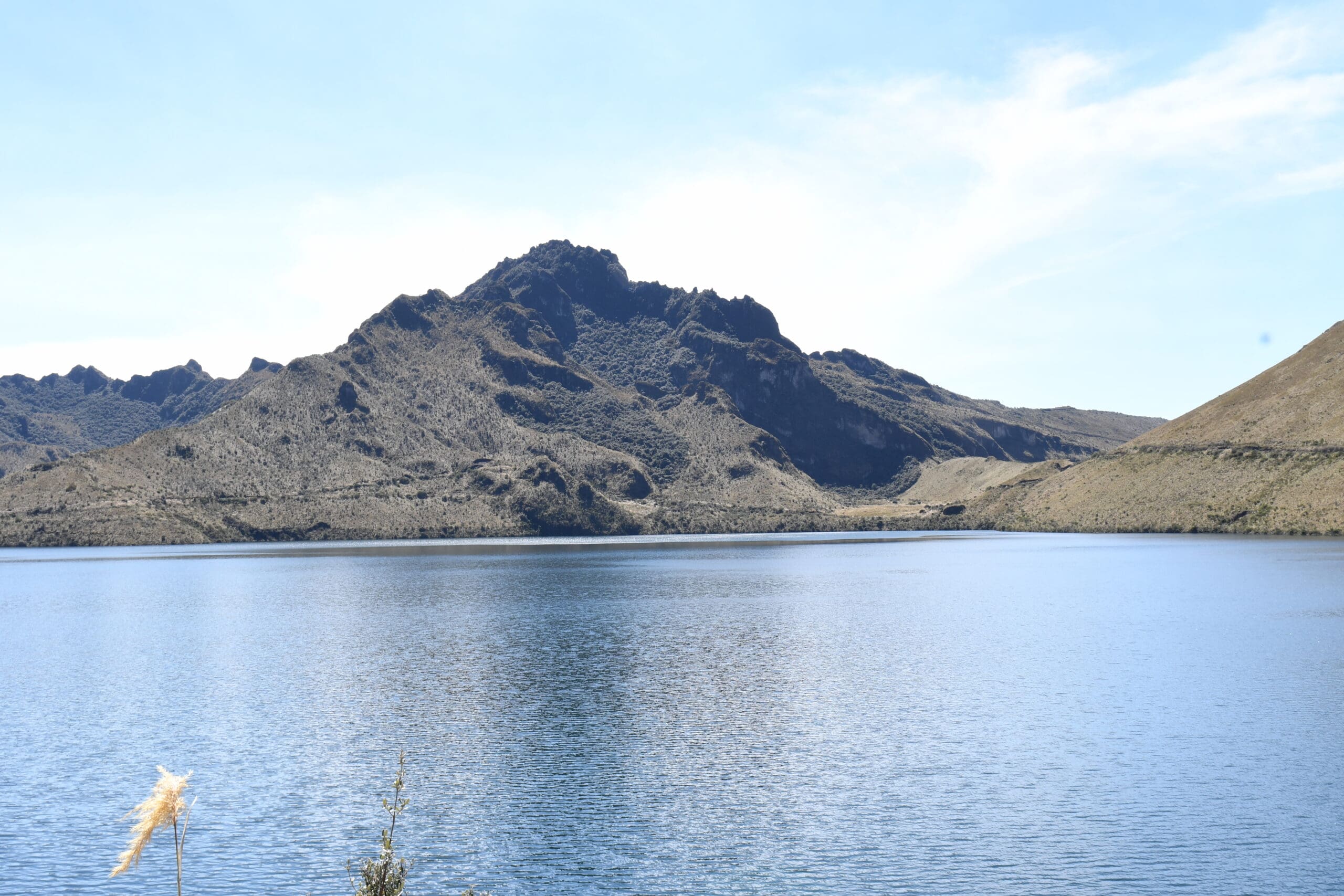
Mountain ecosystems in the Andes help regulate the flow of water that millions of people and wildlife depend on downstream. High-altitude wetlands and native forests work together to stabilize soils and retain moisture while supporting biodiversity throughout one of the world’s most ecologically important mountain regions. As scientists warn of a possible Super El Niño event in 2026, however, these ecosystems are at risk of facing increased pressure from unpredictable weather patterns.
El Niño is a natural climate pattern caused by unusually warm temperatures in the Pacific Ocean. El Niño events occur periodically, but stronger events called “Super El Niños” can intensify weather extremes across Latin America. Some regions may experience severe rainfall and flooding at the same time that other regions become burdened by drought, water shortages, crop loss, and risk of wildfires.
The Andes are particularly vulnerable to these climate shifts, causing cascading effects for their ecosystems and communities. Water for rural and Indigenous groups is sourced from high-altitude glaciers and watersheds, which then trickles downstream to supply 140 million people and 236 cities. As climate change accelerates and alters rainfall and environmental conditions, the health of these mountain landscapes becomes ever more vital.
That’s why Acción Andina is protecting and restoring native high-Andean ecosystems like Polylepis forests, letting local and Indigenous communities lead the way. These forests provide habitat for wildlife, support biodiversity, and contribute to the enduring health of mountain watersheds that Indigenous and rural communities have depended on and carefully tended for millennia.
Healthy mountain regions have a natural infrastructure, enabling native forests and wetlands to slow runoff from intense rainfall, and improve watersheds through the gradual filtration of soils and steadier downstream flow. This is one of the major reasons why a long-term ecosystem restoration movement like Acción Andina is crucial in the face of climate uncertainty. Restoring degraded landscapes bolsters the region’s long-term resilience, rebuilding the natural systems that local community members and native biodiversity need to survive.
Latin America is preparing for the possibility of increasing climate extremes like intense rainfall, drought, and wildfire risk. Uncertain climate years lie ahead, but healthy ecosystems can help communities better withstand climate impacts and support the lasting resilience of mountain environments. Every restored forest and community-led conservation effort contributes to stronger ecological resilience in a rapidly changing world.