CEO Newsletter #8 | A Continent Coming Together Through Nature
By Florent Kaiser, CEO, Global Forest Generation
Co-founder, Acción Andina
I’ve always believed that if Brazil and the rest of Latin America ever truly came together, South America would become unstoppable. The more I travel across the continent, the more convinced I become that one of the most powerful ways to get there is through the collective stewardship of the natural systems that sustain us all.
This past week took me from Lima, where I have lived for the past twelve years, to São Paulo and Rio de Janeiro. Like every stubborn advocate of the daytime window seat, I spent much of the journey with my forehead pressed against the tiny glass, watching South America unfold from above.
Flying east, the journey follows water. It begins high in the Andes, where glaciers are shrinking faster than they should, yet still feeding the headwaters of everything that lies below. From there, it flows through the staggering immensity—and beauty—of the mighty Amazon Basin, its serpent-like rivers winding through seemingly endless forests. It then crosses the increasingly dry Cerrado, which continues to supply water to some of Brazil’s most productive agricultural landscapes, before reaching the remnants of the once-vast Mata Atlântica, described by early Portuguese explorers more than 500 years ago as an unimaginable green wall stretching along the Atlantic coast.
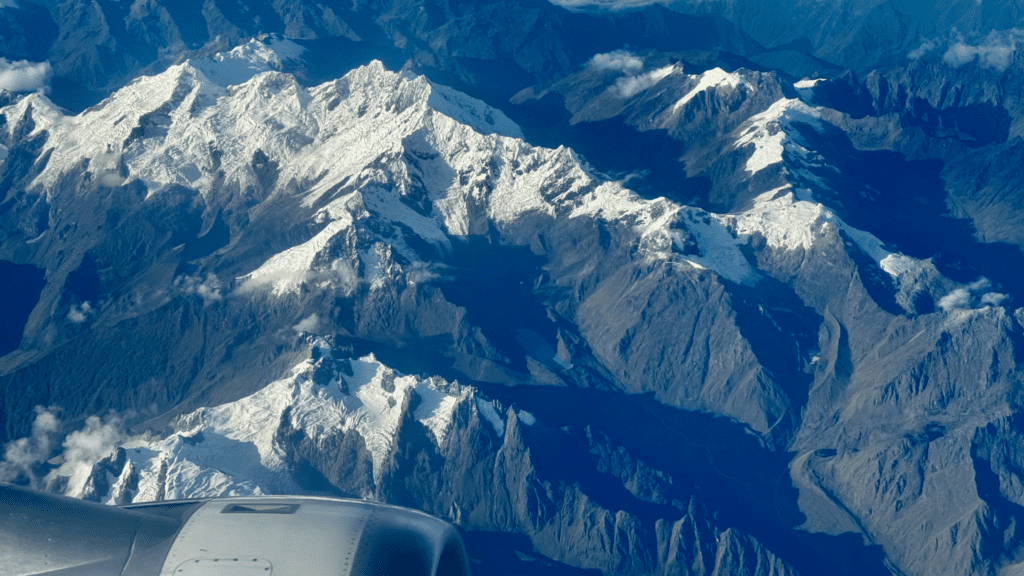
On the journey home, the same story unfolds in reverse. This time, the water travels through the sky.
Every day, the trees of the Amazon release an estimated 20 billion tonnes of water into the atmosphere, generating the phenomenon known as the Flying Rivers. Moisture carried inland from the Atlantic is transported across the continent before colliding with the Andes and returning to Earth as rain, snow, and ice. These invisible rivers help sustain ecosystems, agriculture, cities, and livelihoods thousands of kilometres from where the journey began.
From 35,000 feet, it becomes difficult to ignore a simple truth: South America is not a collection of isolated landscapes and nations, but one interconnected living system linked by water, climate, biodiversity, culture, economies, and people. The fate of a farmer in the Andes, millions of people in São Paulo, an Indigenous community in the Amazon, and countless businesses dependent on reliable rainfall and water provision is far more intertwined than our maps and political borders suggest.
One of the highlights of the week was participating in Moët Hennessy’s and ChangeNOW‘s World Living Soils Forum in São Paulo. In many ways, the conversations echoed what had already become visible from the airplane window: healthy societies depend on healthy living systems. Soils, forests, wetlands, rivers, biodiversity, and water cycles are not separate topics. Yet we continue to treat nature as a “sector”, and carbon, water, biodiversity, and soils as separate assets. Nature has never operated that way.
Most Indigenous and ancestral cultures have long understood what we are only beginning to rediscover: there is no separation between forests and water, between biodiversity and climate, between people and nature. Even through the human-centered lens of modern and western economics, the conclusion remains remarkably similar: nature is infrastructure. The living systems around us regulate water, create fertile soils, stabilize climates, sustain biodiversity, and provide the conditions that make prosperity possible. Recognizing this reality may become one of the defining economic and political shifts of our time.
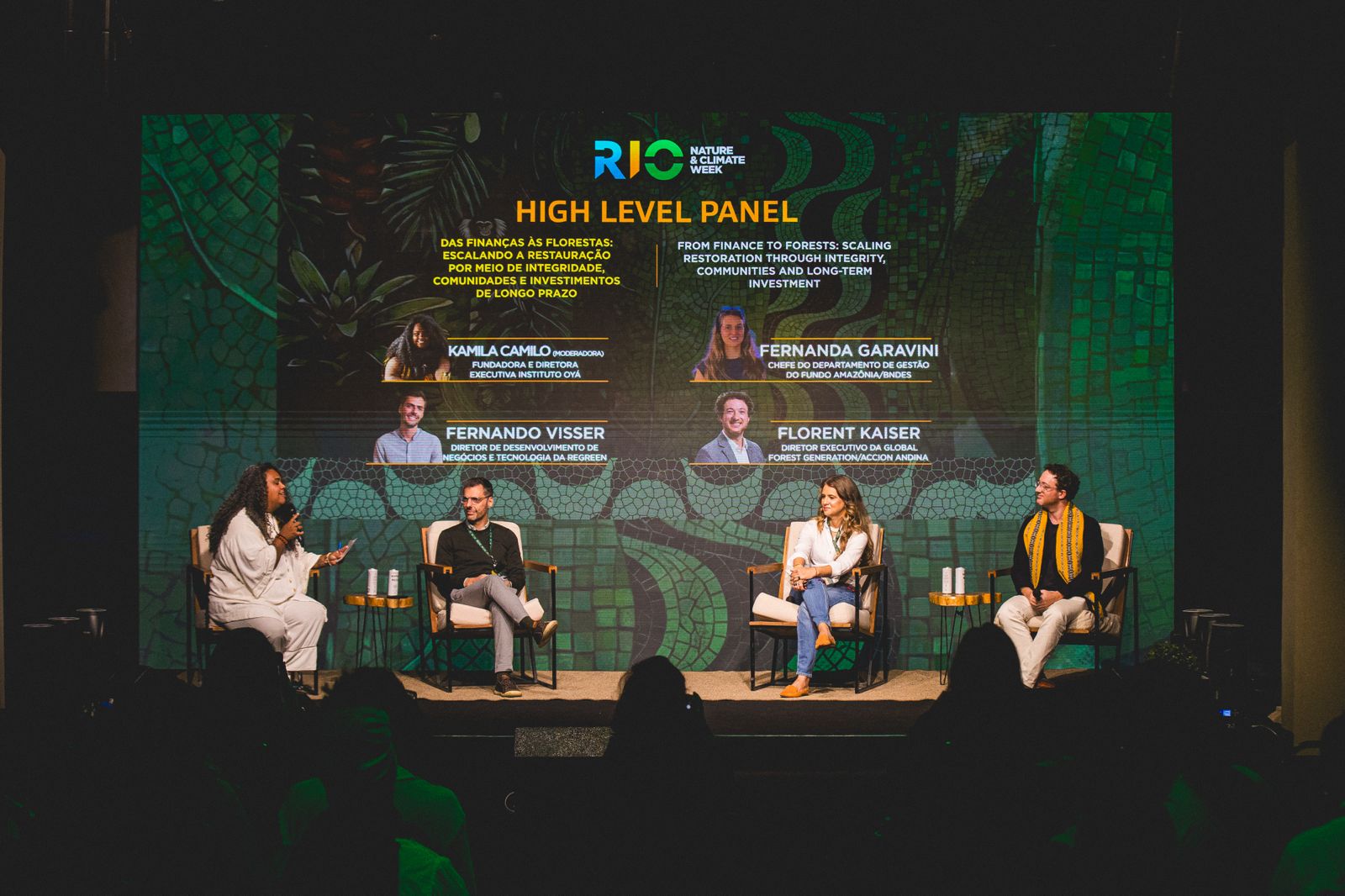
That was perhaps what struck me most during Rio Nature & Climate Week. Brought together by Re:wild, The Earthshot Prize and Global Citizen, entrepreneurs, artists, Indigenous leaders, investors, philanthropists, businesses, and citizens united around a common purpose: to help build a better future. Rio, a city that has always celebrated life through music, art, creativity, and community, offered an important reminder: lasting change will not come through science, finance, policy, or technology alone. It will also come through culture.
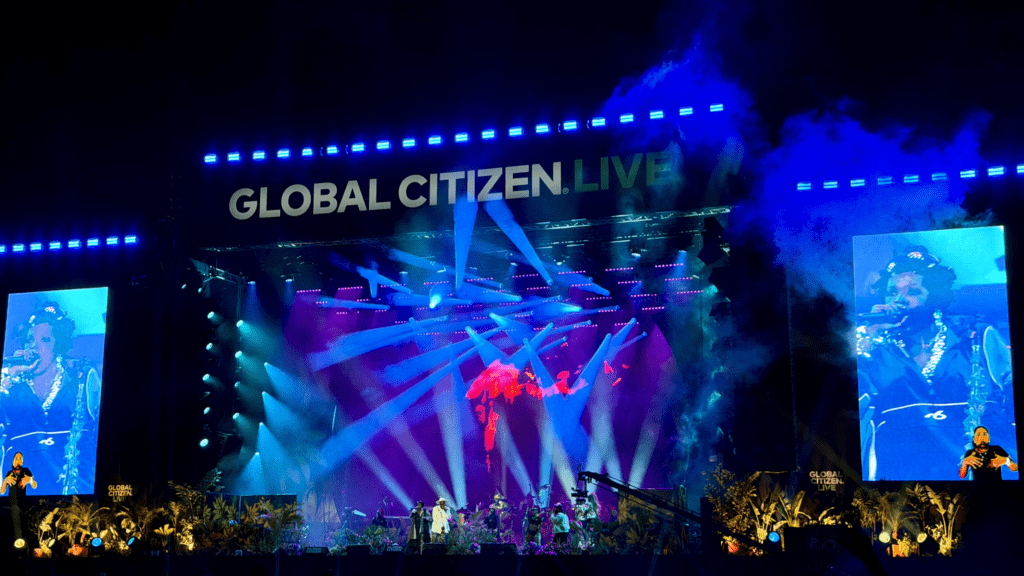
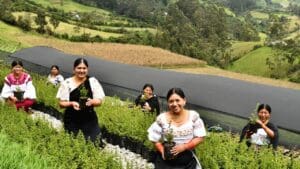
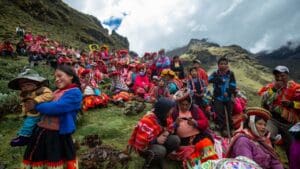
At Acción Andina , we often speak about restoring forests, securing water, and protecting biodiversity. Yet the more time I spend with communities across the Andes, the more convinced I become that our true source of scale lies in culture. The ancestral principles of Ayni and Minka—reciprocity, collective action, and service to future generations—are not backstory. They are the model. Perhaps this is why Acción Andina has grown across six countries: not because we are planting trees, but because we are building upon traditions that already understand stewardship and long-term thinking.
This insight is fundamentally shaping our work at Global Forest Generation . The task before us is not simply to deploy more finance, technology, or projects. It is also to recognize the power of culture in shaping environmental movements and to help elevate the values, stories, and collective identities that enable people to come together in service of the places they call home.
Because restoration at the scale required will not be achieved through technical solutions alone. It will be built by movements rooted in belonging, purpose, and the enduring human capacity to act collectively for something greater than ourselves.
Lots to do, amigos.
But what an extraordinary continent we have the privilege, and the responsibility, to serve.
Obrigado to everyone who made this week possible.
Muito obrigado, Brazil.