Why Forest Protection Matters
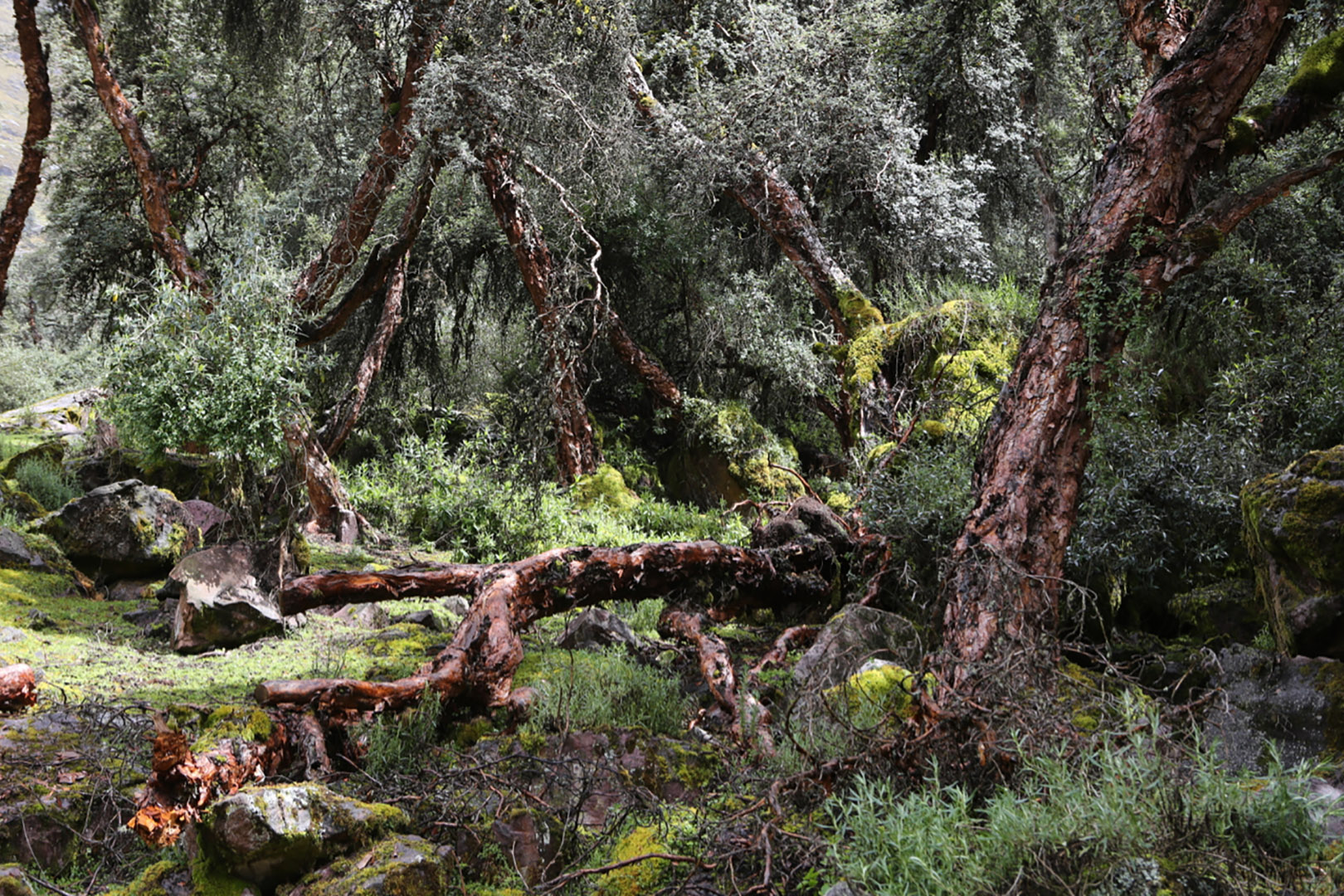
Only about 500,000 hectares (1.2 million acres) of high-Andean Polylepis forests remain — just 2–5% of their historical range. These ancient, slow-growing, and water-storing forests are both majestic and fragile. Protecting them has always been a top priority for our restoration initiative, Acción Andina. Thanks to new funding, we’ve been able to expand this work, although the need is far greater.
Creating Protected Areas: Important and Complex
One of the most powerful and complex forms of conservation is the legal designation of protected areas. These designations safeguard intact ecosystems and help communities secure water and climate resilience. A recent example is the Otavalo Mojanda Water Protection Area in northern Ecuador, formally declared by the country’s Minister of the Environment in January 2023.
This new protected area spans 1,836 hectares (4,538 acres) and includes 35 water sources that supply over 14,000 people in Otavalo Canton. Acción Andina partner Aves y Conservación conducted biodiversity surveys in the region, discovering not only a range of known species, but a brand-new one: a small, curious mouse previously unknown to science. This reminds us that there is still so much we don’t know about these ecosystems, and so much we risk losing without adequate protections.
Forest Protection: The Smaller But Important Work
Forest conservation also includes the often unseen, day-to-day work that ensures ecosystems remain healthy:
- Installing fencing to prevent cattle grazing
- Hiring and training park guards to patrol key areas
- Equipping communities to prevent and control wildfires, which are becoming more frequent with climate change
These protective measures may seem small, but they are essential in keeping forest edges from unraveling under pressure.
Centering Communities in Conservation
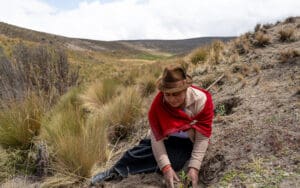
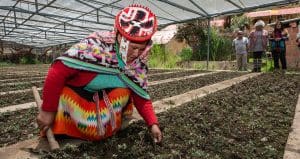
Protecting forests is as much about people as it is trees. A lot of our work focuses on helping Indigenous communities gain legal title to their ancestral lands and receive government recognition of their forests.
In Bolivia, for example, Acción Andina partner Asociación Civil Armonía is collaborating on conservation activities with 13 communities and local authorities at the southern edge of Tunari National Park. This 6,000-hectare landscape is the only known habitat of the Cochabamba Mountain-Finch (Poospiza garleppi), an endangered species listed by the IUCN. Other rare species here include the Ash-breasted Tit-Tyrant (Anairetes alpinus) and the elusive Andean Mountain Cat (Leopardus jacobita).
With donor support, Armonía and the local government are implementing a forest management plan that transitions exotic tree plantations back to native ecosystems, strengthening both biodiversity and climate resilience.
Continuing Our Commitment to Conservation
While ecosystem restoration is essential, newly planted forests take decades to mature. They cannot yet match the ecological richness and complexity of untouched forests. Protecting what remains before we lose it is the fastest and most cost-effective way to preserve biodiversity, sustain water sources, and maintain ecological balance.