How Restoration in the Andes Protects People and Plants in a Warmer World
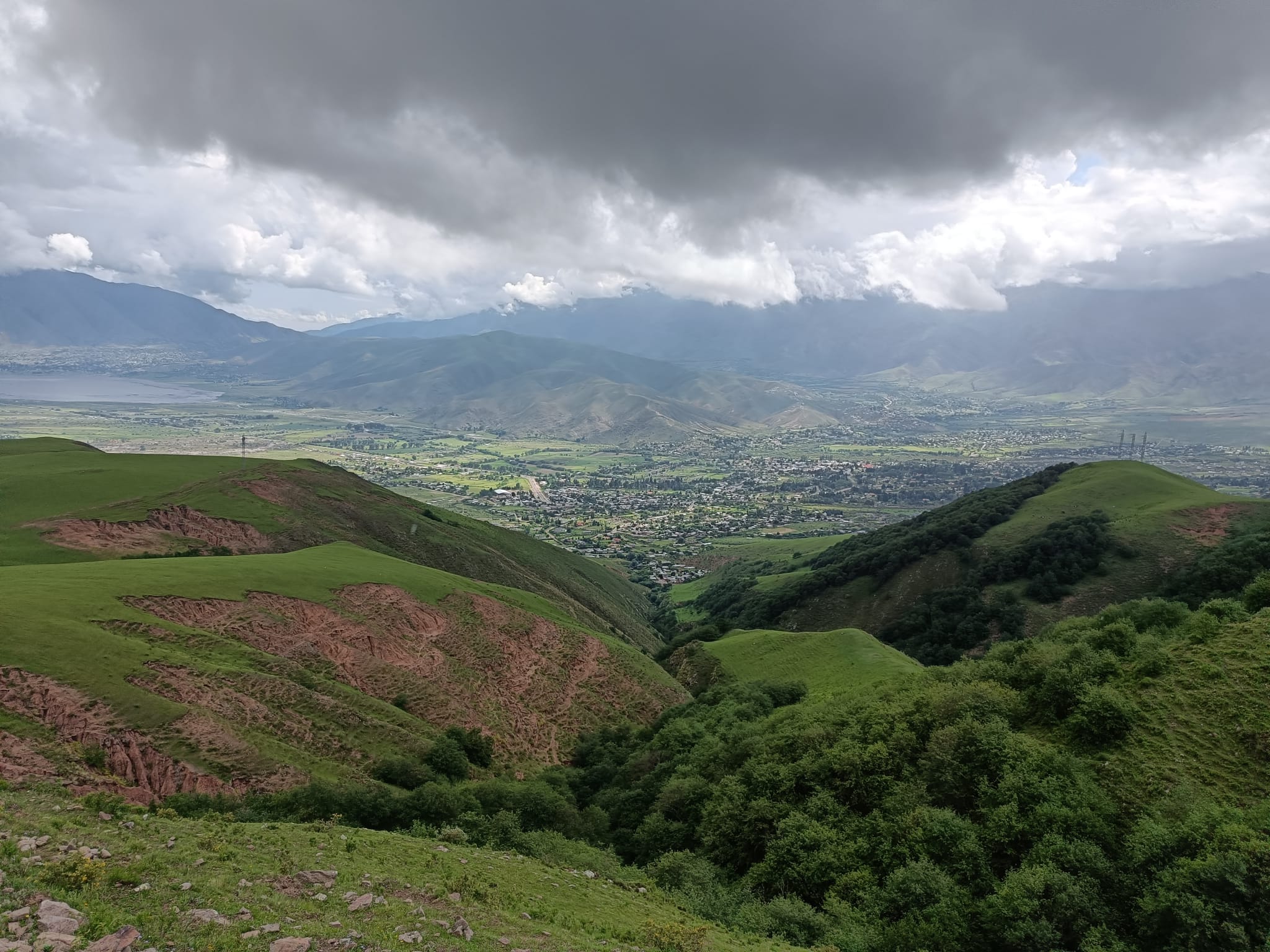
Rising temperatures are degrading ecosystems, rapidly accelerating glacier loss, and intensifying extreme weather events.
And the world’s temperatures are set to surpass 1.5°C within the next few years.
This month, the United Nations Environment Programme published Limiting Overshoot: Navigating exceedance of 1.5°C and pathways towards return. The report details the impacts and risks of higher levels of warming, the mitigation strategies needed to limit this peak, and the transformational adaptation strategies necessary under overshoot.
With every fraction of a degree above 1.5°C, climatic risks increase, straining food, water, health, and energy systems. Even under the most optimistic projections, temperatures will not return to below 1.5°C for decades.
What does this mean for the Andes?
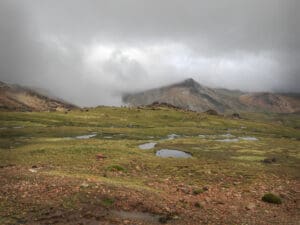
The Andes are one of the world’s most biodiverse environments and home to about 85 million people, with about 20 million more people relying on Andean water resources.
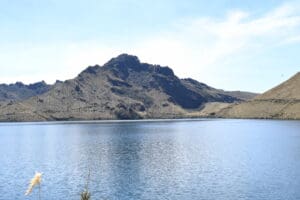
Under climate change, water resources are becoming scarcer and less readily available. Meltwater — water from snow, glaciers, and ice sheets — supplies freshwater, generates hydroelectric power, and supports farming across the Andes. The increase in global temperatures threatens the glacier ecosystem of the Andes and depletes available water resources.
In high‐elevation areas of the tropical Andes, temperatures could rise up to 4°C between 2040 and 2070 under worst-case projections, and temperate Andes ecosystems could see increases up to 2°C. These impacts are likely to considerably alter plant biodiversity, resulting in a 17%–23% reduction of grassland environments in the Central and Southern Andes, and a 30% reduction in the temperate deciduous forest.
Extreme weather events in the Andes such as wildfires, intense heat, heavy rainfall, and drought are increasingly intensifying with major impacts to rural livelihoods and agriculture. In 2025, floods posed significant risks to national food availability by damaging infrastructure and disrupting market access in Andean countries, which produce about 70% of vegetables in the region.
Resilience-building in a warmer world
Effective responses require mitigation, adaptation, and resilience-building simultaneously throughout the overshoot, peak, decline, and stabilization periods.
At Global Forest Generation, we work alongside local and Indigenous communities to bring back nature and restore ecological balance to the planet. Between the 2024 and 2025 planting season, Acción Andina planted over 2.4 million native trees. These restoration efforts support Andean bears, endangered bird species, and all who rely on these forests.
Forest restoration is directly linked to water resource protection. Tree roots break up the ground, allowing rainfall to infiltrate the soil and recharge groundwater, which feeds into rivers and freshwater supplies. Trees also release water vapor into the atmosphere that contributes to cloud formation and precipitation.
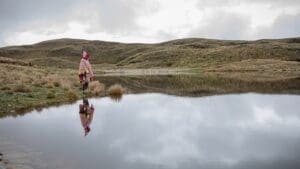
The Andes are vulnerable to El Niño events, above-average surface temperatures in the Pacific Ocean. Andean restoration helps communities adapt to the climate crisis, while protecting high-Andean ecosystems, biodiversity, and high-altitude glaciers and watersheds.
Limiting Overshoot makes it clear — a return to or below 1.5°C is uncertain. The world needs rapid, collective, and global action to bring temperatures down and ensure a shorter time period at elevated levels.
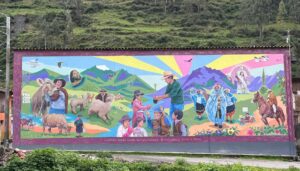
Adaptation has an important place in this plan to reduce risks to people and the planet, and needs to be rooted in just and equitable practices. Climate adaptation solutions must be co-developed with Indigenous leaders and communities, drawing on ancestral knowledge and local context.
Although climate risks under overshoot will evolve differently across regions, every solution should center Indigenous knowledge to protect ancestral lands and a future for generations to come.